Understanding LOTO: The Backbone of Safe Maintenance Operations
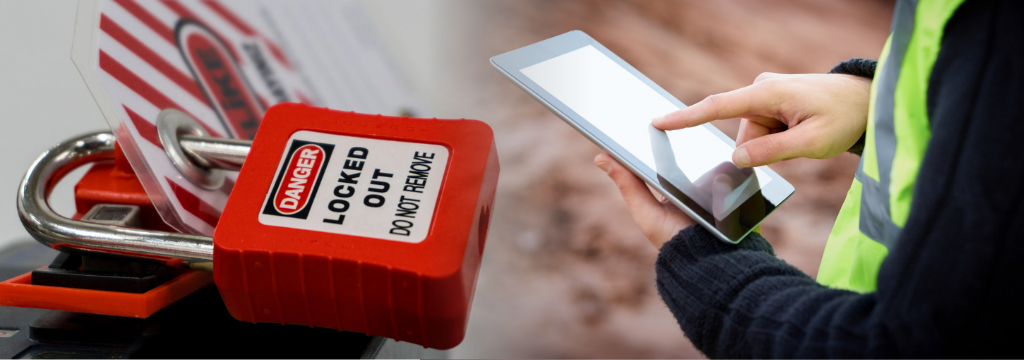
Lockout/tag-out (LOTO) is an important safety procedure. Industries and workplaces with dangerous machinery and equipment use it.
Machines and equipment need regular maintenance. Sometimes, just turning them off is not enough. Even when a machine is off, it can still hold stored energy. This energy can be electrical, mechanical, hydraulic, or thermal.
A lockout/tagout mechanism keeps a device in one position. It stops any movement to another position. This includes actions like opening a circuit breaker or locking a valve in place. The goal is to protect the machinery or equipment from all types of energy that could affect it.
For example,
In primary metals processing, like steel plants, safety risks are always present. This is true even with high heat, heavy machines, and high-voltage systems.
When maintenance teams feel pressure to work quickly, they may skip steps in Lockout/Tagout (LOTO) procedures. This can lead to serious and lasting problems.
The importance of strong LOTO practices
- A 2023 investigation by The Wall Street Journal found that LOTO-related failures cause many serious injuries. Each year in the USA, there are about 85 deaths and 364 amputations because of these failures. OSHA estimates that LOTO failures account for up to 10% of all industrial incidents.
- OSHA also reports that proper LOTO practices prevent around 120 fatalities and 50,000 injuries each year.
- Additionally, LOTO compliance is a legal and regulatory imperative. In the UK, workplaces must follow Health and Safety Executive (HSE) rules. These rules help manage dangerous energy when servicing equipment. Failing to meet these standards not only endangers lives but can also result in serious legal and financial consequences.
Research shows that LOTO failures often happen because of gaps in execution. These gaps include poor communication, inconsistent monitoring, and human mistakes when under stress. Even in well-run plants, traditional LOTO can still lead to mistakes. This method relies on clipboards, tags, and verbal checks.
This is where Yokogawa’s OpreX™ Control of Work helps strengthen safety in high-risk environments, through its RAP4 software.
Check out this short video. It shows how a smart digital Control of Work system can make isolations safer:
What is LOTOTO? How is it different from LOTO?
While LOTO focuses on isolating energy sources, LOTOTO (Lockout, Tagout, Tryout), adds a third step: verification.
The reason is that locking a device does not always remove leftover energy in the system. This energy can include stored electrical energy, gas or fluid pressure, or spring forces. These energies can still affect workers unless someone removes them.
In LOTOTO, workers first lock and tag out equipment. Then, they test the system to ensure that all energy fully discharges. This confirms that the equipment is in a zero-energy state. This ‘tryout’ step can often be missing in many safety programs.
Why is Tryout essential?
- Even after lockout, trapped energy (like compressed air or stored electrical charge) can remain.
- A valve might appear closed but could still leak pressure.
- A motor might still rotate because of residual inertia.
By incorporating Tryout, LOTOTO shows that isolation is not just assumed.
As industrial operations become more diverse, LOTOTO represents a shift from procedural compliance to proactive assurance. It reflects an approach where safety is not just about following steps but about verifying outcomes.
In places with heavy machinery and complex systems, the sudden release of dangerous energy can have serious effects. That's why LOTO and LOTOTO are not just rules to follow. They are important safety measures in industrial work. From manufacturing to energy, these procedures form the frontline defense against preventable workforce injuries and fatalities.
How RAP strengthens LOTO and LOTOTO:
RAP4 helps organisations strengthen LOTO and LOTOTO practices by embedding them into a digital, auditable workflow. RAP4 helps create clear isolation procedures. It ensures that signoffs rely on skills. It also works with the Permit to Work system.
Additionally, it allows for mobile verification in the field. This way, isolation procedures are consistent and meet all requirements. Features like templates, GIS mapping, and digital logging help teams improve and repeat their work. These tools support a smarter and safer way of working, moving away from manual processes.
Adopting a digital isolation management system is a step toward Smarter, Safer Working. By digitising critical isolation procedures like LOTO and LOTOTO, organisations can strengthen compliance, reduce risk, and simplify workflows.
Want to learn how isolation fits into safe work systems? Read Preparation & Isolation Part 1.